
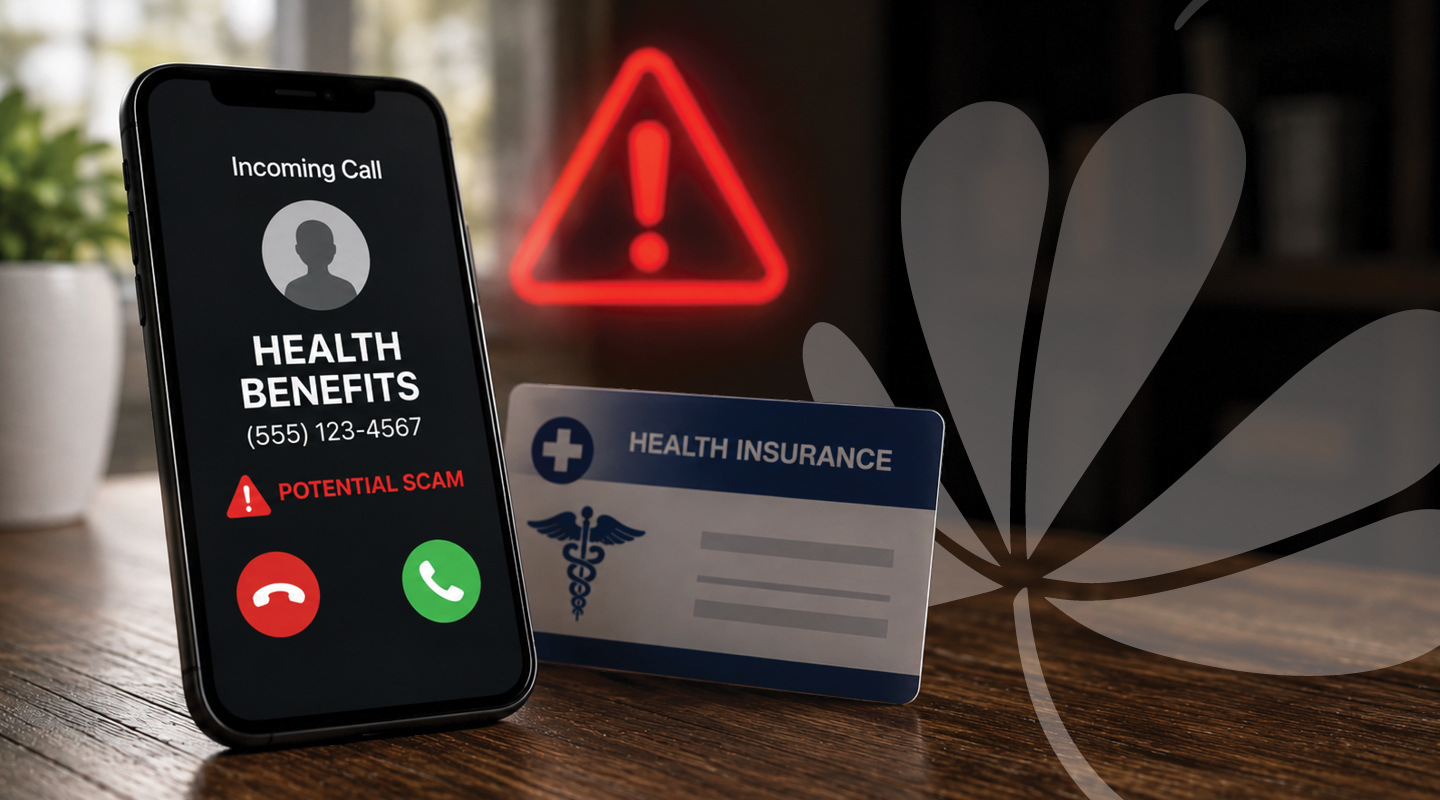
That Medical Charge is Not Yours
Posted on Sep 22, 2026
How healthcare fraud can reach your medical records, insurance benefits, and wallet
You open an Explanation of Benefits and see a knee brace from a company you do not recognize. There was no appointment. No doctor discussed a brace with you. Nothing ever arrived at your home. Your first thought may be that someone made a billing mistake. But it could be the first sign that someone is using your health insurance information.
Healthcare fraud does not always begin with a large withdrawal or an obviously fake caller. Sometimes it starts with a Medicare number, an insurance member ID or a few details about your health. Once a fraudster has that information, it can be used to bill for equipment, testing, prescriptions or care you never received.
That makes this more than a paperwork problem. A false claim can create bills you do not owe, lead to collection notices and place incorrect information in your medical record. It may even make it harder to receive equipment or services later if your records incorrectly show that they were already provided.
The Moment a Scam Starts to Feel Real
Fraudsters often use familiar language and everyday worries to lower your guard. They may know the name of your insurer, mention a real provider or claim that a benefit is about to expire. Knowing a few details about you does not make the contact legitimate.
The “free” medical item: A caller offers a back or knee brace, pain cream, genetic test or other item at no cost, then asks for your Medicare or insurance number.
The urgent medical bill: A text or email says a small balance is overdue and includes a payment link. The amount may be low enough that paying it feels easier than checking it.
The coverage call: Someone claims your Medicare card must be replaced, your coverage is ending or your account needs to be verified immediately.
The service you never chose: A claim appears for a telehealth visit, medical equipment, testing or even hospice care that you did not discuss with a trusted provider. Current federal warnings show that some Medicare recipients have been enrolled in hospice care without their knowledge.
Warning Signs You Can Actually Use
An unexpected contact deserves a pause, especially when one or more of these details appear:
Pressure to act now. You are told your coverage, benefits or access to care will be affected if you do not respond immediately.
A request for sensitive information. The caller wants your Medicare number, insurance member ID, Social Security number, bank information, card number or one-time security code.
An offer your doctor never discussed. Medical equipment, testing, medication or services should not appear out of nowhere from a company you have never used.
A claim that does not match your life. The provider, date, location, prescription or service on your statement is unfamiliar.
Payment through an unfamiliar website. A search result, sponsored ad, text or email may lead to an impersonator instead of your provider’s real payment page.
Not every incorrect charge is fraud. Medical billing errors happen, and you do not have to determine the difference on your own. The important next step is to notice what does not belong, avoid sending money or information and contact the provider or insurer through a verified channel.

Treat Your EOB Like a Financial Statement
An Explanation of Benefits, or EOB, is not a bill. It shows who submitted a claim, the date of service, what was billed, what insurance covered and what you may owe. Medicare Summary Notices provide similar claim information for people with Original Medicare.
Take a few minutes to compare each statement with your calendar and receipts. Did you see that provider? Did you receive that test, medication or equipment? Does the date make sense? A claim for something you never received may be the earliest warning you get.
Keep medical and insurance documents in a secure place. When you no longer need them, shred statements and remove personal information from prescription labels before disposal. If online delivery is available, use a secure account and a strong, unique password.
If Something Does Not Add Up, Take These Steps
Do not pay or provide more information. Save the message, bill, caller information or package label, but stop the conversation until you verify it.
Call the provider directly. Use the phone number on a statement you already trust or the provider’s official website. Ask whether the charge is a billing error and request written confirmation of any correction.
Contact your health insurer. Report a claim, provider or service you do not recognize. Ask what documentation is needed to dispute it and whether your member ID should be replaced.
Protect your finances. If you sent money or shared card or account information, contact Notre Dame FCU immediately at 800-522-6611 or use the verified number on the back of your card. Review recent transactions and secure any affected card or account.